

India’s economy grew by 7.8% in the first quarter of fiscal year 2026, which is a significant and robust growth rate. This growth is higher than many other major economies and is considered a five-quarter high, meaning it’s one of the strongest growth rates seen in five years. This strong performance shows that India’s economy is resilient, even in the face of challenges like US tariffs.
The US has imposed tariffs on Indian goods, which is meant to make Indian products more expensive and less competitive in the US market. However, India’s economy is still growing strongly, which suggests that the impact of these tariffs is not as severe as some might expect. This resilience is partly due to strong domestic demand—meaning that people are buying more goods and services within India, which helps sustain economic growth.
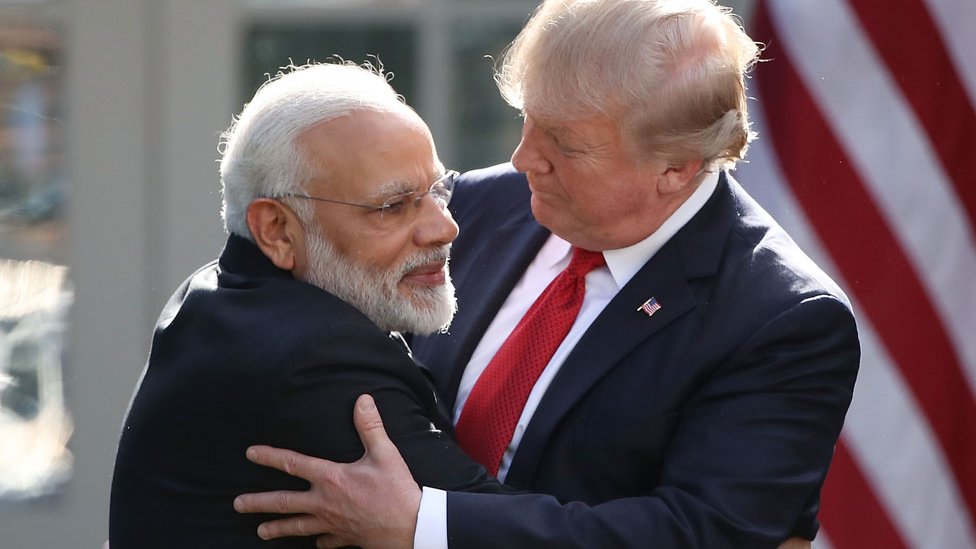
growth also challenges the views of some political figures, like former US President Donald Trump, who has been critical of India’s economic policies and trade relationships. India’s performance shows that it can grow independently and is not entirely dependent on trade agreements with the US.
However, the US tariffs could have negative consequences for the US-India relationship. If the US continues to impose tariffs, it might make India look for other trade partners, potentially reducing its economic ties with the US. This could affect both countries’ economic interests and their strategic relationship..