

-
Global Brand Building:
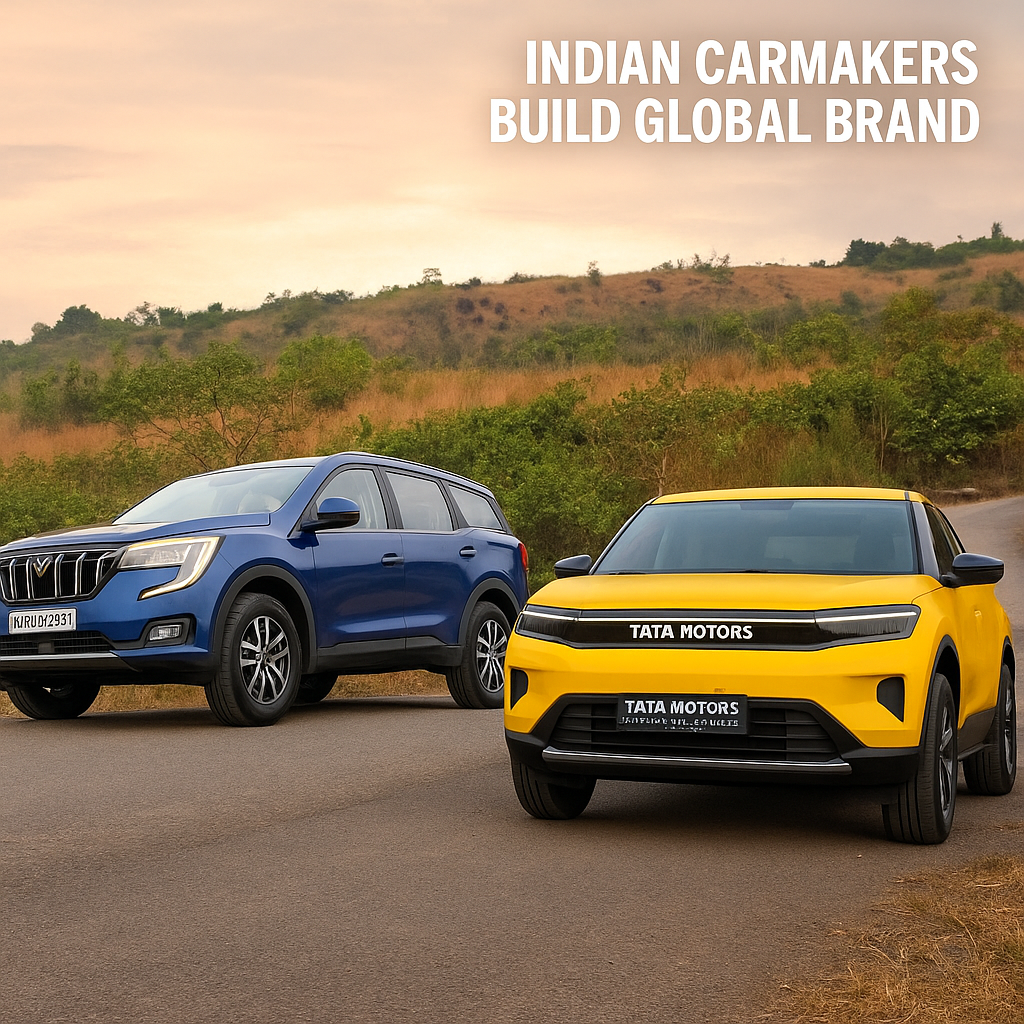
- Indian carmakers like Tata and Mahindra are still in the process of building their global brand reputation.
- Unlike established international brands from Japan and South Korea, Indian brands are not yet seen as trustworthy or reliable in many developed markets.
- In developed markets, buyers are brand-conscious and may be hesitant to buy from less-known manufacturers.
-
Export Strategy:
- Exporting is not just about shipping cars; it requires strategic planning and products tailored for international markets.
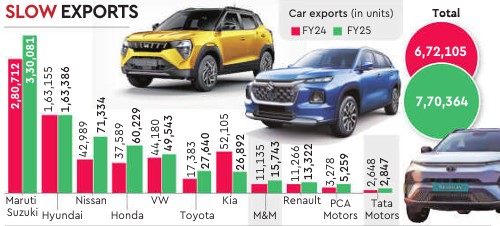
- Indian carmakers have historically focused on domestic markets or low-volume, low-regulatory regions like Nepal, Bangladesh, Bhutan, Sri Lanka, and parts of Africa.
markets had lower expectations and less investment compared to Indian consumers.
-
Progress and New Markets:
- Over the past five years, Mahindra has responded well to international markets, delivering products that meet higher expectations.
- Tata has re-entered South Africa, and both companies are now evaluating mature markets like Latin America, Europe, and the GCC.
- India’s increasing participation in bilateral trade agreements (e.g., UK-India trade discussions) is creating new opportunities to target developed markets like the UK.
-
Opportunity in Electrification:
- Electrification is a major growth opportunity for Indian carmakers.
- Mahindra has launched Vision concept SUVs, and Tata is set to launch the Avinya range of world-class electric vehicles (EVs).
- These EVs could help Indian brands compete with global players in the rapidly growing electric vehicle market.