

A Strategic Partnership for Critical Minerals and Special Forces Cooperation
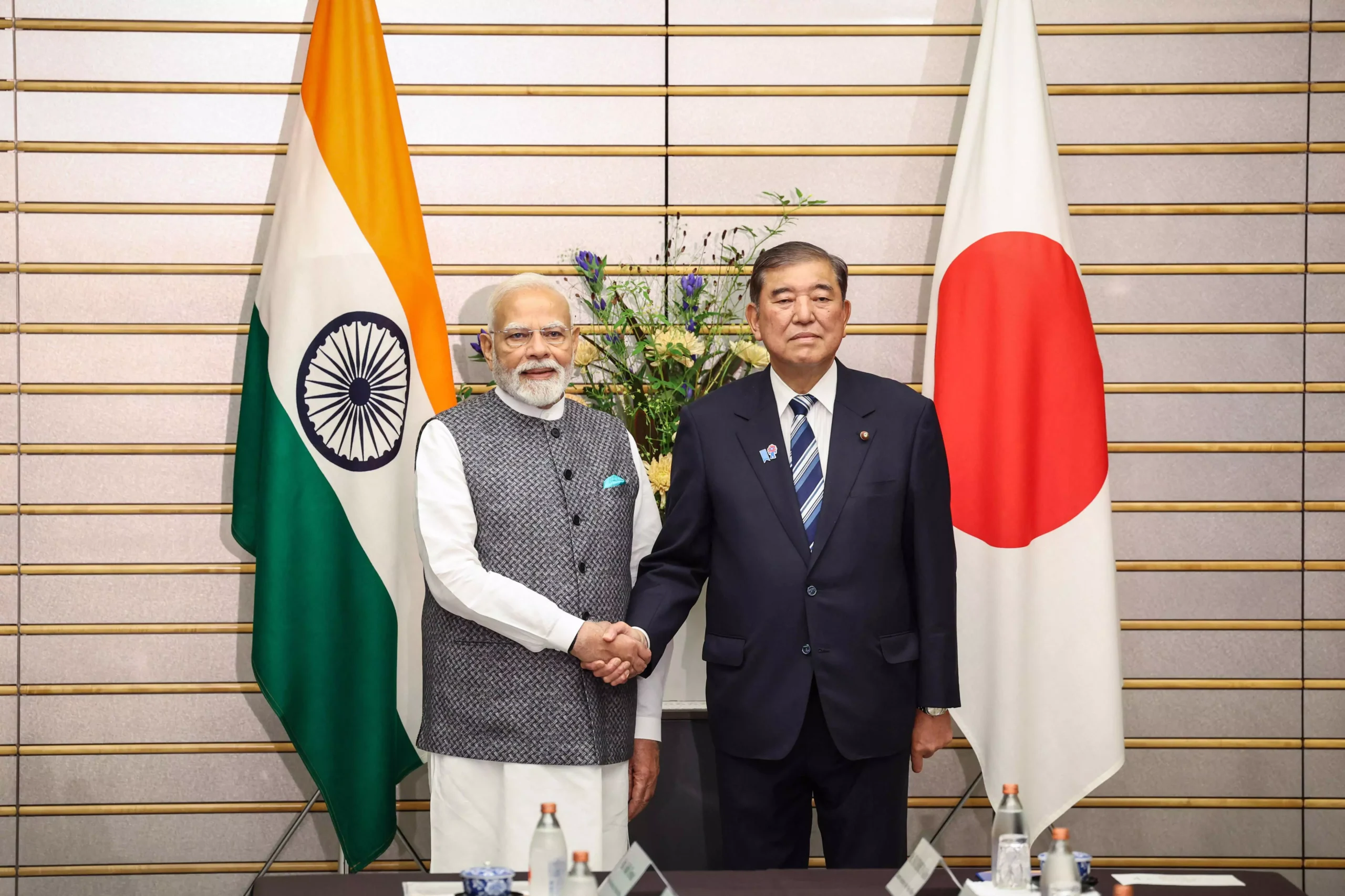
In a significant move to deepen strategic ties and enhance national security, India and Japan have signed a new pact aimed at strengthening their defense and industrial collaboration. This agreement, signed during Prime Minister Narendra Modi’s visit to Japan, focuses on key areas such as critical minerals, special forces cooperation, and technology sharing. The pact underscores the growing importance of Japan as a strategic partner for India in the Indo-Pacific region, and it marks a major step in the bilateral relationship that has been gaining momentum in recent years.
1. Defense Industrial Collaboration: A New Era of Partnership
The new pact between India and Japan emphasizes the importance of defense industrial collaboration between the two nations. This collaboration is not just a bilateral effort but a strategic initiative that aims to enhance the defense capabilities of both countries. The agreement seeks to promote collaboration between the governments of India and Japan and the private sector in the defense industry. This includes joint efforts in research, development, and technology sharing, which are essential for modernizing defense systems and improving the overall defense infrastructure.
India and Japan have long recognized the importance of a strong defense industrial base, and this new pact is a clear indication of their shared commitment to this goal. The collaboration is expected to lead to the development of advanced defense technologies, including next-generation weapons systems, surveillance equipment, and communication technologies. By working together, both countries can leverage their respective strengths in defense manufacturing and research to create a more robust and competitive defense industry.
Moreover, the pact is expected to facilitate the exchange of information and expertise between the two nations. This will allow India and Japan to share best practices in defense manufacturing, logistics, and supply chain management. The collaboration is also expected to lead to the creation of joint ventures and partnerships that can help both countries meet their defense needs more efficiently.
2. Critical Minerals: A Strategic Resource for Defense and Technology
One of the key areas of focus in the new pact is the exploration, processing, and refining of critical minerals. These minerals are essential for the development of advanced defense technologies, including advanced materials, electronics, and energy systems. The collaboration between India and Japan in this area is expected to enhance their ability to secure and utilize critical minerals that are vital for their defense and technological advancement.
India and Japan have both recognized the importance of critical minerals in their defense strategies. These minerals include rare earth elements, which are essential for the production of high-tech equipment such as satellites, radar systems, and advanced weaponry. The collaboration between the two countries is expected to help them secure a more stable supply of these minerals, which are often sourced from countries with geopolitical tensions.
The new pact also emphasizes the importance of joint exploration and development of critical minerals. This will allow India and Japan to work together in identifying new sources of these minerals and developing sustainable methods for their extraction and processing. The collaboration is expected to lead to the creation of a more resilient and self-reliant defense industry in both countries.
3. Special Forces Cooperation: Enhancing Joint Security Operations
Another key aspect of the new pact is the cooperation between India and Japan in the field of special forces. This collaboration is expected to enhance the capabilities of both countries in conducting joint security operations, counter-terrorism, and disaster response. The agreement includes a commitment to increase cooperation between their special forces, which is a significant step in strengthening their strategic partnership.
India and Japan have both developed highly trained special forces units that are capable of conducting complex operations in challenging environments. The collaboration between these units is expected to lead to the exchange of best practices, training programs, and joint exercises that can enhance the operational capabilities of both countries.
The new pact also includes a commitment to explore opportunities for the development and co-production of high-technology equipment, such as advanced submarine technology. This will allow India and Japan to work together in developing cutting-edge defense technologies that can be used in both countries’ defense systems.
4. Technology Sharing: Leveraging Japan’s Advanced Defense Capabilities
Japan has long been a leader in defense technology, and the new pact with India is expected to facilitate the sharing of advanced technologies between the two countries. Japan has been gradually opening up its defense sector for exports and collaborations, and this pact is a clear indication of its commitment to strengthening its defense partnerships.
The collaboration between India and Japan in technology sharing is expected to lead to the development of advanced defense systems that can be used in both countries. This includes the exchange of information on research and development, which will allow both countries to benefit from each other’s technological expertise.
Japan’s access to cutting-edge technologies, particularly in the maritime sector, is a major advantage for India. The collaboration is expected to help India enhance its defense capabilities in areas such as naval operations, submarine technology, and maritime surveillance. This will be particularly important for India as it seeks to strengthen its presence in the Indo-Pacific region.