

Infosys Announces Major Share Buyback: A Strategic Move to Boost Shareholder Value
In a significant move that underscores its commitment to returning value to shareholders, Infosys, India’s second-largest IT services company, has approved a substantial share buyback proposal worth Rs 18,000 crore. The buyback, which will be funded at a rate of Rs 1,800 per share, marks a major step in the company’s capital allocation strategy, reflecting its confidence in the long-term growth prospects of the business.
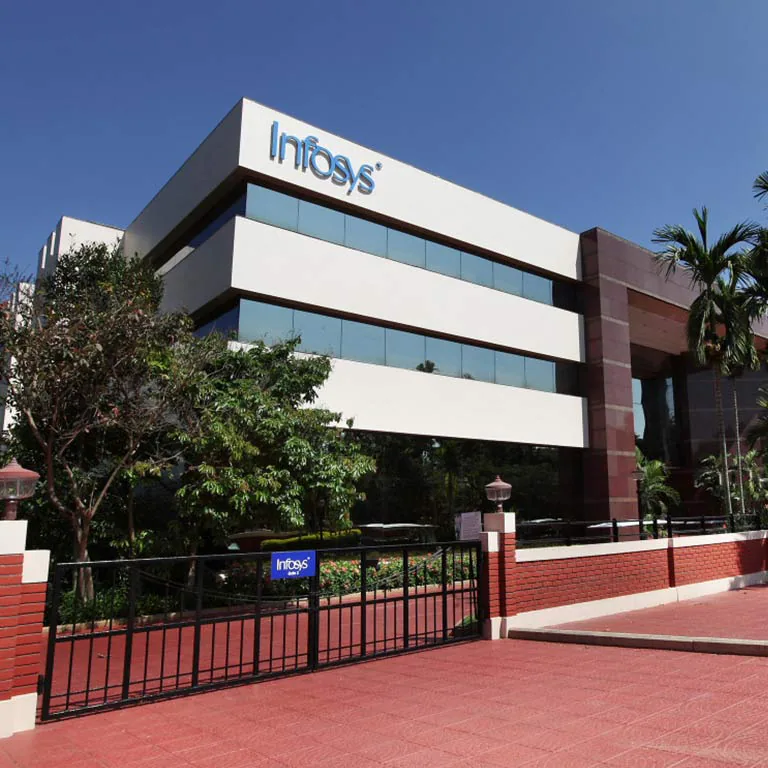
The decision comes as part of Infosys’s broader strategy to optimize its capital structure and enhance shareholder returns. The company has consistently emphasized its focus on returning 85% of its free cash flow over a five-year period through dividends and share repurchases. This buyback is in line with that policy, demonstrating the company’s ability to balance growth with shareholder value creation.
A Strong Financial Position
Infosys’s financial health is a key factor behind this decision. As of FY25, the company reported cash and cash equivalents of over Rs 42,000 crore, with a free cash flow of over Rs 20,000 crore. These figures indicate a robust financial position, providing the company with ample liquidity to fund such a large-scale buyback. The company’s strong balance sheet and consistent cash generation are critical in supporting its capital allocation strategy.
The buyback program is expected to account for 2.41% of the company’s paid-up capital, which is well within the 25% limit set by the company. This ensures that the buyback does not significantly impact the company’s capital structure while still providing a meaningful return to shareholders.
A Strategic Move in the Market
The decision to initiate a share buyback is a strategic move that aligns with the company’s long-term goals. By repurchasing shares, Infosys is effectively reducing the number of shares outstanding, which can lead to an increase in earnings per share (EPS) and potentially boost the stock price. This is a common strategy used by companies to enhance shareholder value, especially when they believe their stock is undervalued.
The current buyback is nearly double the Rs 9,300 crore buyback that Infosys conducted in October 2022. At that time, the company repurchased shares via the open market route at a maximum price of Rs 1,850 per share. The current buyback, at Rs 1,800 per share, is slightly lower, but the overall scale is significantly larger. This indicates a more aggressive approach to shareholder returns, which is a positive sign for investors.
Historical Context
To understand the significance of this buyback, it’s useful to look at Infosys’s historical capital allocation decisions. In 2019, the company carried out a buyback worth Rs 8,260 crore, and in 2017, it executed a Rs 13,000 crore buyback program. These past initiatives have been part of the company’s strategy to return value to shareholders, and the current buyback is another step in that direction.
The company’s capital allocation policy has been a key part of its long-term strategy. By returning a significant portion of its free cash flow to shareholders, Infosys is not only rewarding its investors but also reinforcing its position as a responsible and sustainable company. This approach is particularly important in the current economic climate, where companies are under pressure to demonstrate financial discipline and shareholder value creation.
The Impact on Shareholders
For shareholders, this buyback is a positive development. It provides a direct return on investment, which can be particularly appealing in a market where stock prices may be volatile. The buyback also signals confidence in the company’s future performance, as it indicates that the company believes its shares are undervalued and that it is willing to take action to correct that.
Moreover, the buyback can have a positive impact on the company’s stock price. By reducing the number of shares in the market, the company can increase the value of each share, which can lead to a rise in the stock price. This is a common outcome of share buybacks, as the reduced supply of shares can drive up demand and, consequently, the price.
The Broader Context of the IT Sector
Infosys’s decision to initiate a share buyback is also significant in the context of the broader IT sector. The IT industry in India has been facing challenges, including a slowdown in global demand for IT services and a shift in focus towards digital transformation. However, companies like Infosys are demonstrating resilience and adaptability, using their financial strength to return value to shareholders.
The company’s ability to fund such a large buyback is a testament to its strong financial position and efficient capital management. It also highlights the company’s commitment to long-term growth and shareholder value, which are critical in maintaining investor confidence.